Who Makes the Most Durable Car Audio Subwoofer?
By Robert Jones · 2025-01-04
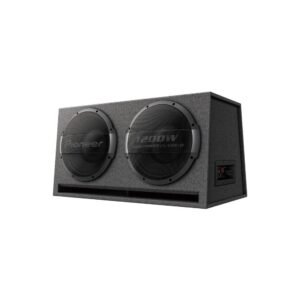
I've fitted enough car subs in my time to know not all of them can handle a British motor. This is about the real workhorses – the ones that keep thumping for years, whatever the road throws at them.
It's a question I get asked all the time, this one. "Rob, who makes the car subwoofers that actually last?" Honestly, after twenty-odd years in this game, stuffing speakers into every conceivable motor from a souped-up Nova to a proper plush Range Rover, I've seen my fair share of failures. And some absolute tanks. If you're anything like me, you want that thumping bass to stick around, not pack up its bags and leave after a few rainy British winters or scorching summers stuck in traffic on the M5. This isn't about the flashiest, or the one that'll win you SPL competitions, it's about the workhorses. The ones you can fit, forget about, and just enjoy the tunes. ### **Quick Verdict: For sheer, unadulterated durability, JL Audio and Rockford Fosgate are still top of the pile, year after year.** ### Who it's for: * Anyone who uses their car stereo *a lot* and wants their sub to keep up. * Drivers who hate ripping out their boot install every six months for a replacement. * People living in climates that go from freezing cold to boiling hot. * Enthusiasts who value long-term reliability over chasing the absolute loudest dB. * Anyone fed up with poorly built gear that gives up the ghost too soon. * If you're building a system to last, not just for a quick flip. ### Who should skip it: * If your car is more of a show pony than a daily driver and rarely sees the road. * Those on a super tight budget who just need *any* bass, even if it's temporary. * If you get bored easily and swap your gear out every few months for the "latest thing." * People who only listen to spoken word or classical music at barely audible levels (and good on ya for that, honestly). * If you're after the cheapest solution possible, regardless of how long it lasts.  *Who Makes the Most Durable Car Audio Subwoofer? — tested in the SpeakersMag workshop.* ## Why Build Quality is King in the Car Right, let's get down to brass tacks. Why do I bang on about durability so much when it comes to car subs? It's not just about saving a few quid on replacing a knackered unit, though that's a big part of it. Think about the life a subwoofer leads in your car compared to, say, a domestic setup. My reference sub, a cracking SVS SB-3000, sits happily in my listening room. Stable temperature, no sudden jolts, not a drop of moisture in sight unless I spill my tea (which, to be fair, does happen). It lives a pampered life. Your car sub? It's basically an unpaid labourer, grafting away in hostile conditions. It's going from sub-zero temperatures on a frosty morning to sweltering heat in a summer traffic jam. It's getting rattled and bumped over every pothole the council hasn't filled in. It's breathing in road dust, exhaust fumes, and whatever else floats around in a car boot. And it's doing all this while trying to reproduce earth-shaking bass at volumes that would make your mum wince. All that abuse puts a massive strain on every single component. The voice coil is heating up and cooling down constantly. The cone and surround are flexing thousands of times a minute. The spider is under constant tension. If the materials aren't up to scratch, or the build quality is shoddy, something *will* give. And usually, it'll give when you least expect it, leaving you with a flappy, distorted mess instead of tight, punchy bass. Believe me, I've spent far too many freezing Saturday mornings in a mate's garage trying to diagnose a blown driver that wasn't built to cope with the real world. ## What Makes a Car Subwoofer Durable? It all boils down to the bits and bobs inside, doesn't it? When I'm pulling a sub apart in the workshop – and I've pulled apart hundreds – I'm looking at certain things. These are the tell-tale signs of a sub that's going to last, or one that's going to become landfill within a year. It's not rocket science, just good engineering and decent materials. ### Cone Material: Stiff, Light, and Resilient The cone is what pushes the air, so it takes a real beating. You need something stiff enough to avoid flexing and distorting, but light enough to respond quickly. And it needs to handle temperature extremes. I've seen cones literally disintegrate from UV exposure or go brittle in the cold. * **Polypropylene:** Common, affordable, and pretty durable. It's water-resistant and handles temperature changes well. Not the stiffest, but good for general abuse. * **Treated Paper:** Still a popular choice. When properly treated with resins, it can be very stiff and surprisingly robust. A good balance of warmth and impact. * **Woven Fibres (Kevlar, Carbon Fibre):** These are the business. Super stiff, very light, and incredibly resistant to tearing or deformation. You'll find these in higher-end, more durable units. They cost a bit more, but they're worth it. * **Aluminium/Titanium:** Can be very stiff and great for heat dissipation, but they can resonate at higher frequencies and might ding if you chuck too much kit in the boot. Tough, but with caveats. I tend to lean towards woven fibre cones for pure longevity and performance. They just seem to shrug off abuse better than anything else. ### Surround Material: The Flexy Bit The surround is the bit that connects the cone to the basket. It allows the cone to move back and forth. This is a common point of failure for cheap subs. It needs to be flexible, but also strong and resistant to UV, temperature, and general fatigue. * **Butly Rubber:** This is my preferred choice for durability. It's super flexible, resistant to UV, temperature changes, and generally lasts for ages without cracking or drying out. A real workhorse material. * **Foam:** Cheaper, but generally less durable. I've seen plenty of foam surrounds crack and perish over time, especially in hot, humid conditions. Give these a miss if longevity is your goal. * **Santoprene:** A thermoplastic rubber. Very durable, good flexibility, and excellent resistance to chemicals and UV. Another solid choice, often found in higher-end subs. If it's not butyl rubber or Santoprene, I'm usually a bit wary. Foam is a red flag for long-term use in a car, in my humble opinion. ### Voice Coil and Former: The Heart of the Beast This is where the magic happens, and where a lot of cheap subs fall apart. The voice coil gets *hot*. Really hot. It needs to dissipate that heat efficiently, or it'll burn out. The former is what the coil is wound around. * **Voice Coil Wire:** Heavy gauge copper or aluminium. Copper is generally preferred for its conductivity and resistance to fatigue. Look for higher temperature ratings. * **Former Material:** Kapton or Black Aluminium are excellent. They can withstand high temperatures without deforming or failing. Cheap subs often use lower-grade materials that just can't hack the heat. * **Ventilation:** This is key! Good subs will have plenty of venting around the voice coil to allow air to circulate and cool it down. Often through the pole piece or the spider assembly. Without it, heat builds up, and boom, you've got a fried coil. If you can't see good ventilation, or the voice coil looks flimsy, walk away. It's a ticking time bomb. ### Spider: The Suspension System The spider keeps the voice coil centred and provides the suspension. It needs to be tough, flexible, and consistent. Over time, cheap spiders can lose their stiffness, causing the coil to sag or rub. * **Progressive Roll Spiders:** These are great. They offer increasing resistance as the cone moves further, which helps prevent over-excursion and damage. Typically made from poly-cotton or Nomex. * **Multiple Spiders:** Some heavy-duty subs use two or even three spiders to provide extra control and durability. If you see dual spiders, you know it means business. Look for a well-stitched, stiff spider. If it feels flimsy or poorly attached, it's not going to last. ### Basket/Frame: The Foundation The basket holds everything together. It needs to be rigid and able to withstand vibrations without flexing or rattling. Your two main choices are pressed steel or cast aluminium. * **Cast Aluminium:** The absolute best. It's incredibly rigid, non-resonant, and excellent at dissipating heat. If you want durability, this is what you look for. It's heavier and more expensive, but worth it. * **Pressed Steel:** Cheaper, lighter, but can flex more and potentially resonate. If it's a good quality, heavy gauge pressed steel basket, it can be acceptable, but it's a compromise. I wouldn't touch a sub with a flimsy pressed steel basket. It's just asking for trouble down the line. ### Terminal Connections: Often Overlooked Small detail, but important. Spring-loaded terminals are okay, but screw terminals are generally more secure and offer a better connection, which is vital in a vibrating car environment. Look for solid, corrosion-resistant terminals that won't loosen over time. ## The Contenders for "Most Durable" Right, enough of the technical jargon. Let's talk about the brands I've seen stand the test of time, year in, year out, in proper British weather and beyond. These are the ones that, in my experience, you can fit and pretty much forget about. ### JL Audio: A Benchmark for Longevity Honestly, JL Audio has been at the top of the pile for solid, reliable performance for as long as I can remember. They don't always chase the loudest numbers, but their engineering is second to none. I've had JL subs in my own vehicles, and I've installed countless others for customers, and the failure rate is incredibly low. They just work. Their W3 and W6 series are legendary for their sound quality *and* their staying power. They use quality materials throughout – good surrounds, robust cones, excellent voice coil ventilation. They're not cheap, but you're buying something that will genuinely last you a decade if you treat it right. Proper "fit and forget" stuff. You can pick up a good 12-inch W3v3 for around £300-£400, depending on the deal. ### Rockford Fosgate: The Punch That Keeps on Kicking Rockford Fosgate's "Punch" series is another one that immediately springs to mind when we talk durability. They've built their reputation on making gear that can take a beating and keep on thumping. Their subwoofers are generally over-engineered for tough car environments. Thick, heavy-duty baskets, often treated paper or woven fibre cones, and solid surrounds. They're known for their robust build and their ability to handle plenty of power without complaint. I've seen Punch P3 and P2 subs survive years of absolute abuse in vans and boy-racer cars without missing a beat. They might not be the most nuanced, but they deliver pure, unadulterated bass for years. A Rockford Fosgate Punch P3D4-12 will set you back about £250-£350, which is fantastic value for the longevity you get. ### Kicker: Tough as Old Boots Kicker has always had a reputation for building tough, no-nonsense car audio. Their subs are designed with brute force in mind, and they don't disappoint on the durability front. I've seen their CompR and CompQ series take a hammering and just keep on going. They tend to use durable polypropylene cones, strong surrounds, and well-ventilated motor structures. If you're after a sub that can handle plenty of power and doesn't mind being pushed hard, Kicker is a solid choice. They might not have the outright finesse of a JL, but they're built to last. A Kicker CompR 12-inch will probably cost you in the region of £200-£300. ### Alpine: Consistent Quality Alpine has been a major player in car audio for decades, and for good reason. Their subwoofers, particularly their Type-R and Type-S lines, have always offered a great balance of performance and reliability. They use good quality materials, and their build processes are very consistent. I've put plenty of Alpine subs into cars over the years, and they rarely come back with issues. They might not be as overtly "heavy-duty" as a Rockford, but their consistent quality control means fewer unexpected failures. You can generally find an Alpine S-W12D4 for about £150-£200, making them a good entry into durable bass. ## Comparison Table: The Workhorses Here's a quick look at some of the popular, durable choices you can find in the UK right now. Prices are rough estimates and can vary wildly, mind. | Feature | JL Audio W3v3-12 | Rockford Fosgate Punch P3D4-12 | Kicker CompR 12-inch | Alpine S-W12D4 | | :---------------- | :---------------------------- | :----------------------------- | :---------------------------- | :---------------------------- | | **Power Handling (RMS)** | 500W | 600W | 500W | 600W | | **Cone Material** | Mineral-filled Polypropylene | Anodized Aluminium Cone | Injection-Moulded Polypropylene | Pulp/Kevlar Composite | | **Surround** | Butyl Rubber | Santoprene | Santoprene | Santoprene | | **Basket** | Cast Aluminium | Cast Aluminium | Stamped Steel (heavy gauge) | Cast Aluminium | | **Voice Coil Type** | 2.5-inch 4-layer | 2.5-inch 4-layer | 2-inch 4-layer | 2.6-inch 4-layer | | **Approx. Price (UK)** | £350-£400 | £280-£350 | £200-£280 | £150-£200 | | **Known For** | Balanced sound, exceptional build, longevity | Brute force, heavy-duty construction | Good power handling for the price, tough | Consistent quality, good value, reliable | ## Things That *Still* Kill Durable Subwoofers Even the toughest sub can be killed by plain idiocy, let's be honest. It's not always the speaker's fault. A good quality sub can withstand a lot, but it's not indestructible. Here are the common culprits: ### Underpowering (Clipping the Amplifier) This is probably the number one killer. People think if their amp is rated lower than the sub, it's safe. Wrong. An underpowered amp, driven into distortion (clipping), sends nasty, square-wave signals to your subwoofer. These aren't natural audio waves; they're essentially DC voltage bursts that cause the voice coil to overheat catastrophically. It's like revving your engine in neutral – eventually, something will blow. Always match your amp's RMS power output to your sub's RMS power handling, or slightly exceed it with a high-quality amp that won't clip easily. ### Overpowering Less common with decent subs, but still possible. If you feed a 500W RMS sub with a 2000W RMS amp and just crank it, you're going to exceed its mechanical limits. The voice coil might bottom out, or the cone might tear itself apart. A durable sub will have more headroom, but there's always a limit. ### Incorrect Enclosure Putting a sub in the wrong sized or type of enclosure is asking for trouble. A sealed sub in a ported box, or vice versa, will mess with its excursion and ability to dissipate heat. It'll either bottom out too easily or won't be able to properly control its movement, leading to premature failure. Always follow the manufacturer's recommended enclosure volume and port tuning. ### Physical Damage This sounds obvious, but you'd be amazed. Loose tools, golf clubs, shopping – anything rattling around in the boot with your sub is a potential killer. I've seen plenty of cones punctured or surrounds torn by poorly secured cargo. Get a grille, or build a sturdy enclosure. Protect your investment! ### Moisture Even with water-resistant cones, continuous exposure to moisture can lead to corrosion of terminals, basket rust, or damage to the spider and voice coil. Make sure your boot is sealed properly and address any leaks promptly. British weather, eh? ## FAQ: Your Durable Car Sub Questions Answered ### Q: Is a more powerful subwoofer necessarily more durable? A: Not directly. A higher power rating often means a more robust voice coil and motor structure designed to handle more heat and excursion, which generally correlates with better durability. But a poorly built, high-power sub will still fail faster than a well-engineered, lower-power one. Focus on overall build quality and brand reputation, not just the RMS number. ### Q: Can a marine-grade subwoofer be used in a regular car for extra durability? A: Absolutely, and it's not a bad idea if you're really worried about moisture or extreme conditions. Marine-grade subs are built to withstand salt spray, UV, and humidity, so they're inherently more durable than standard car subs in those respects. The downside is they can sometimes be a bit pricier and might not offer quite the same acoustic performance as a dedicated car audio sub, but the trade-off for durability can be worth it. ### Q: What's the best way to extend the life of my durable subwoofer? A: First, proper installation with adequate power from a quality amplifier. Make sure the enclosure is correct for the sub. Don't clip your amp! Secondly, secure it properly in the boot to prevent physical damage. Keep your boot clean and dry. And finally, don't constantly drive it at its absolute limits. Give it a bit of headroom. Treat it with respect, and it'll serve you well for years. ### Q: Are cheaper brands ever durable? A: Occasionally, you might find a hidden gem, but generally, no. Durability comes from using better materials, more precise manufacturing, and better design – all of which cost money. If a sub is suspiciously cheap, it's usually because corners have been cut somewhere, and durability is often the first thing to go. You really do get what you pay for in this game, especially when it comes to longevity. ## Final Word Look, I'm not saying you need to spend a fortune to get decent bass. But if you're anything like me, you want something that's going to last. Time spent fitting and refitting gear is time I'd rather spend listening to music, or maybe even in the pub. For me, JL Audio and Rockford Fosgate have consistently proven themselves to be the go-to brands for subwoofers that can take everything the road throws at them and still deliver the goods. They might be a bit more of an initial outlay, but that investment pays off in years of trouble-free thumping bass. Save yourself the headache; buy once, buy well. You'll thank me for it down the line. Now, go enjoy some proper music, loud and clear. Or rather, loud and *deep*.